About Us
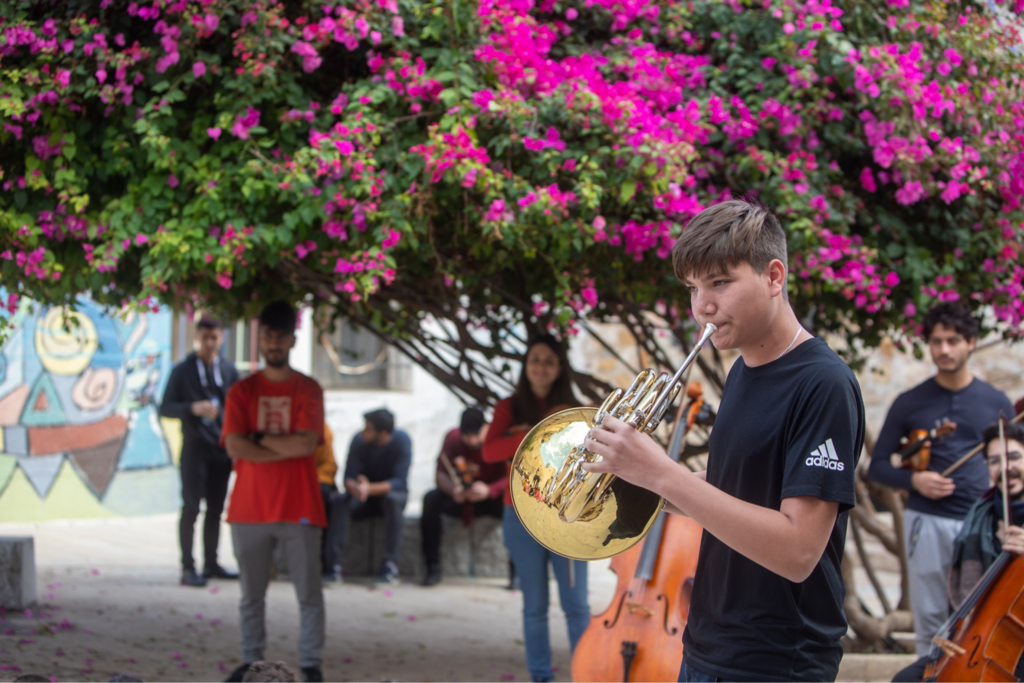
Founded in 2003 by the Palestinian intellectual Edward W. Said and the pianist and conductor Daniel Barenboim, the Barenboim-Said Center for Music was established to make high-level classical music education accessible to Palestinian children and youth.
Based in Ramallah, the Center offers a comprehensive and structured musical curriculum, combining individual instruction, ensemble practice, and musical theory. Its programs span advanced training, early music education, and pathways that open access to sustained musical study for new generations of students.
Through concerts, workshops, and artistic partnerships, the Center is engaged in an international musical environment in which its students regularly perform in Palestine and abroad.
The Center affirms music as a space where young people can develop their own voice and participate in the shared cultural life through which societies define themselves and come to understand one another.
Founding Vision
The founders believed that music enriches human life and, through the creation of the Center, they aimed to make classical music education accessible to Palestinian children and youth.
The Center affirms music as a space where young people can develop their own voice and participate in the shared cultural life through which societies define themselves and come to understand one another.
This shared vision first took shape in 1999 through a workshop bringing musicians from Palestine and the region together, which eventually became the West-Eastern Divan Orchestra, Said and Barenboim’s flagship project. The West-Eastern Divan Orchestra went on to tour internationally, demonstrating the power of cultural exchange through music.
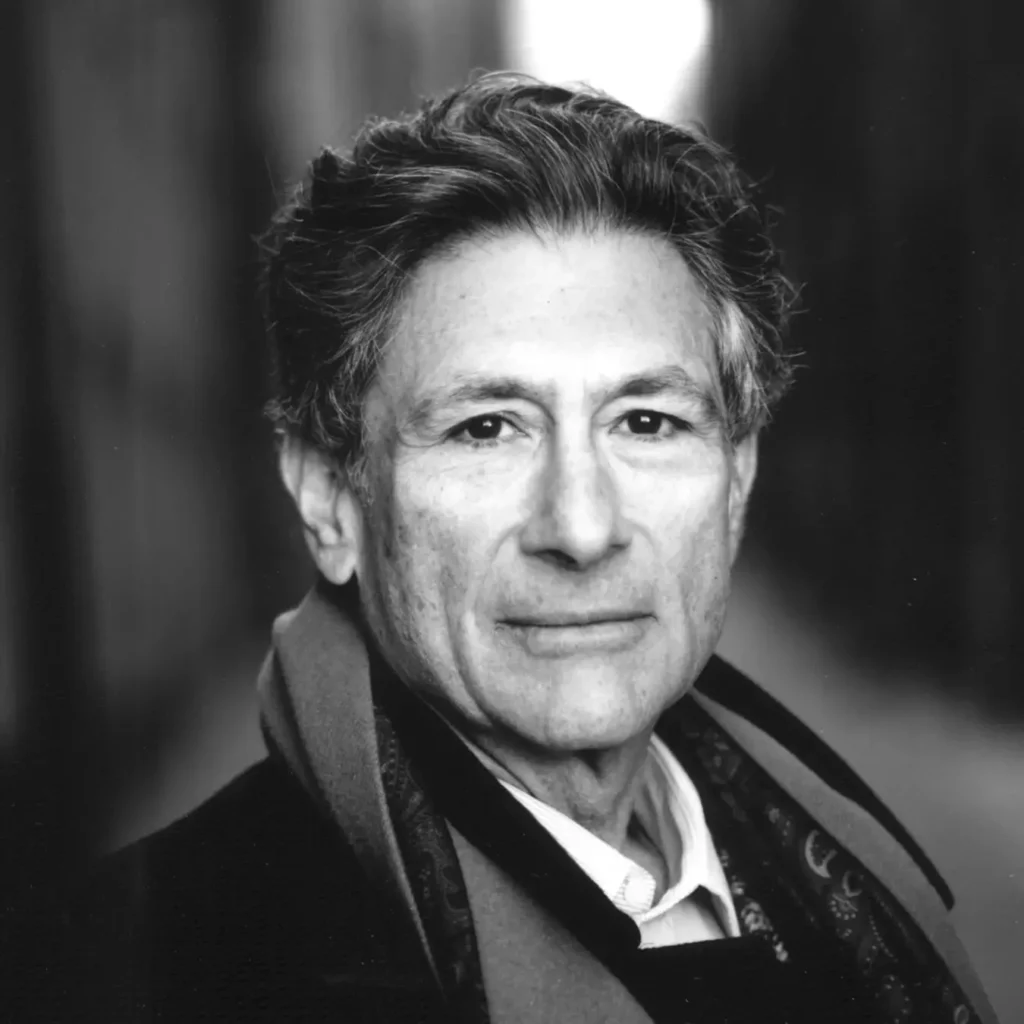
Edward W. Said
Edward W. Said (1935–2003), born in Jerusalem and raised in Cairo, studied at Princeton and Harvard before beginning his teaching career at Columbia University in 1963, where he served as Professor of English and Comparative Literature. A prolific writer, he authored over 20 books, including Orientalism, translated into more than 30 languages, and lectured at over 200 universities worldwide. As music critic for The Nation, he connected his humanist philosophy with his lifelong engagement with music. A leading voice on Palestine, he advocated for justice and self-determination and held leadership roles across major institutions, including the Modern Language Association and PEN International. With Barenboim, he also co-authored Parallels and Paradoxes.
His widow, Mariam C. Said, continues to steward his legacy and oversee the Barenboim-Said Foundation USA as Vice President, and the Barenboim-Said Center for Music in Ramallah as a board member.
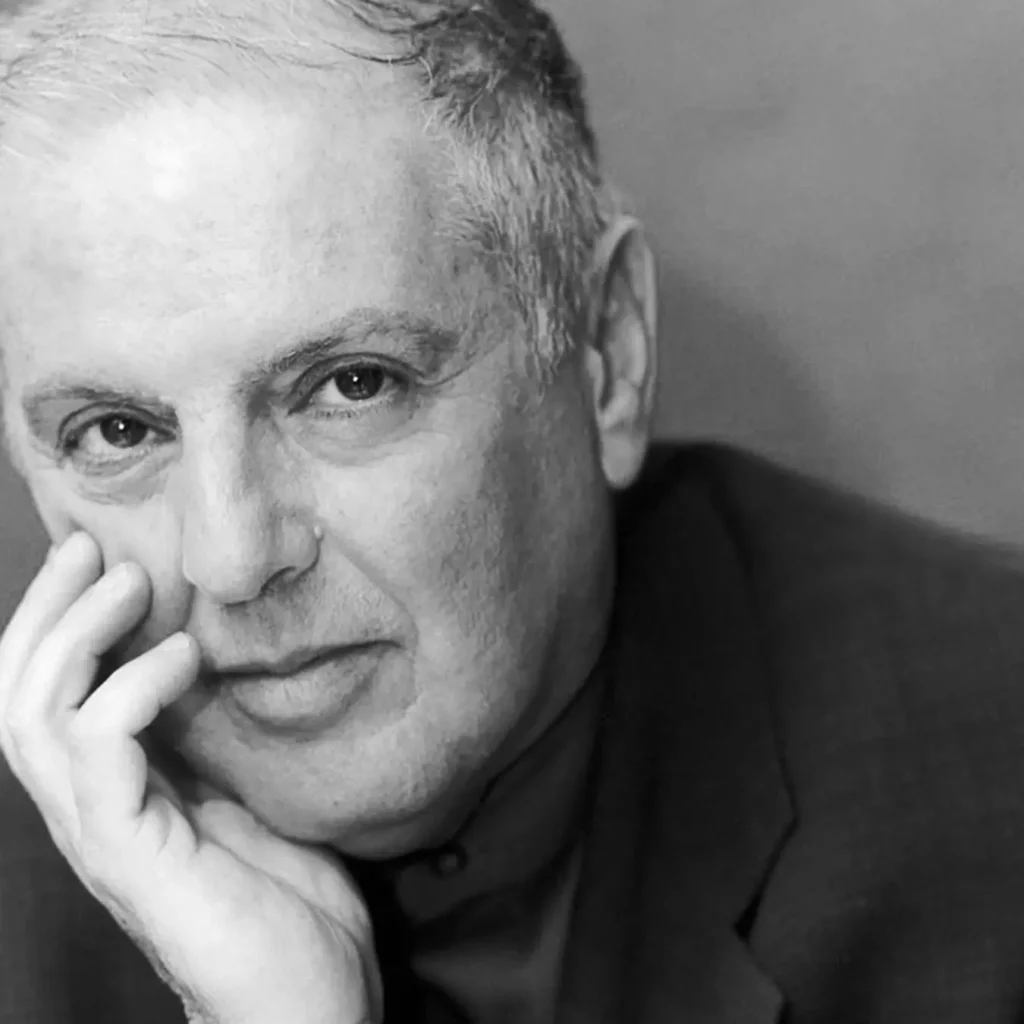
Daniel Barenboim
Daniel Barenboim (b. Buenos Aires, 1942) is a world-renowned pianist and conductor. He has led some of the most prestigious music institutions in the world, including the Orchèstre de Paris, Chicago Symphony Orchestra, and Berlin Staatsoper, among others. In the late 1990s, his partnership with longtime friend, Edward Said, led to the creation of the West-Eastern Divan Orchestra and other projects, including the Barenboim-Said Akademie (2015). He has been awarded seven Grammys and the prestigious Princesa de Asturias Concord Award for his work.